Behind the Scenes at the Fifth AI Researchers Roundtable and BBQ By Zanda Zhu
By Zanda Zhu
Event Overview
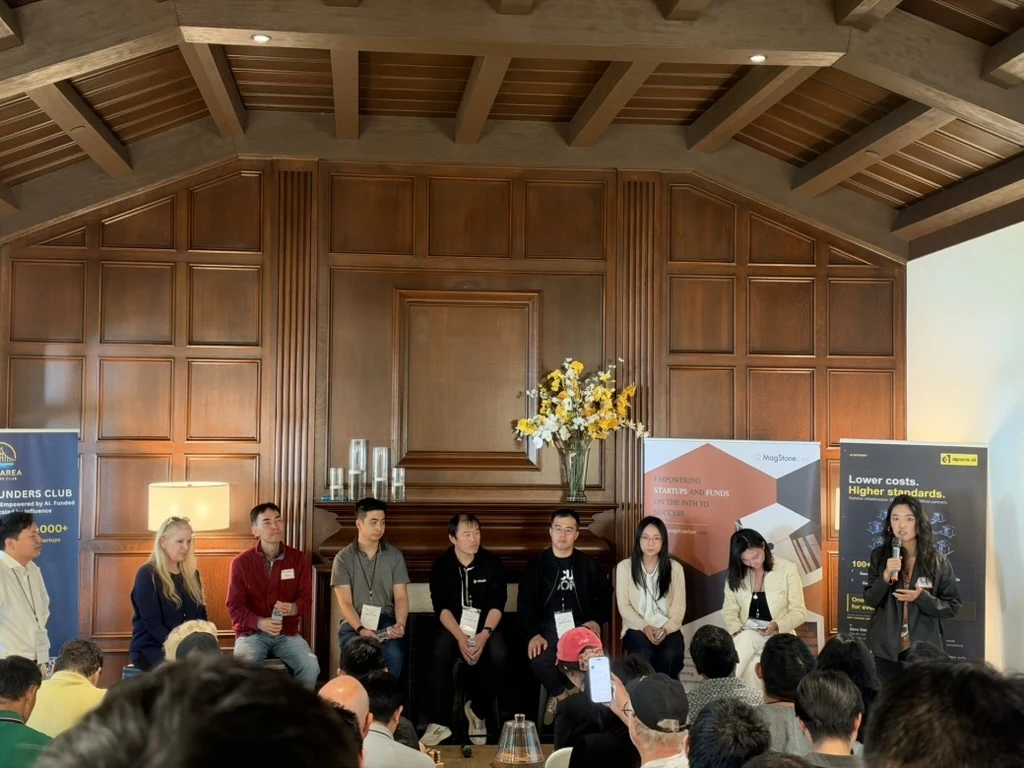
On October 18, 2026, Bay Area Founders Club held its fifth Top AI Researchers Roundtable and BBQ at a private residence in Atherton. Attendees included many top AI researchers at OpenAI, Google DeepMind, Anthropic, xAI, and NVIDIA, as well as professors from Stanford University. The gathering paired a discussion about AI security and safety with a barbecue reception, creating opportunities for professional exchange and informal networking. Volunteers from the Silicon Valley Youth Entrepreneurship Program (SVYEP) supported the event through event preparation and guest check-in.
The invitation-only roundtable was designed to encourage direct conversation among researchers working at the frontier of artificial intelligence. Its small, private format provided a setting for exploring unresolved questions about how increasingly powerful AI systems can remain secure, trustworthy, and under human control.
Exploring AI Security and Safety
The event’s published agenda focused on questions about the future of AI, all of which were related to AI safety and the pace of AI development. The event centered on one question: as AI becomes more powerful, will attackers or defenders ultimately gain the advantage? Everyone at the event was asked to vote for a side, making this question a shared starting point for the discussion. Panelists then defended their positions and debated one another, presenting competing perspectives on the future of AI security.
The question reflects AI’s growing role on both sides of cybersecurity. AI can help attackers discover software vulnerabilities and automate attacks, while also helping defenders detect threats, repair weaknesses, and protect systems. The central challenge is understanding which side will benefit more as these capabilities develop and what choices could influence that outcome.
This debate connected with the broader questions outlined in the event’s agenda. These included how to monitor AI systems that contribute to their own improvement, verify the reliability of AI-generated software, and protect AI agents from malicious instructions hidden in the content they encounter. Another theme considered whether AI could reliably evaluate and strengthen the safety of other AI systems.
The agenda also examined recursive self-improvement (RSI), in which AI contributes to developing more capable AI systems. The discussion considered how researchers could monitor that process and distinguish intended improvements from unexpected autonomous behavior.
By asking attendees to take a position and hear competing arguments, the event gave participants an active role in considering the uncertainties surrounding AI’s future. The format encouraged examination of both the technology’s growing capabilities and the safeguards needed to keep it secure.
SVYEP Volunteers Behind the Scenes
Before the roundtable began, SVYEP volunteers helped the host prepare for the gathering. They arranged food and drinks, prepared name tags, and checked in attendees as they arrived. These tasks helped create an organized and welcoming environment for the afternoon.
Supporting the event gave volunteers practical experience with the coordination and communication involved in hosting a professional gathering. Preparing materials and welcoming guests required attention to detail and teamwork, while also giving students an active role in Silicon Valley’s technology community. Their contributions supported the setting in which researchers and other professionals could meet and exchange ideas. SVYEP volunteers were also given the chance to connect and socialize with professionals working on the frontier of AI.
Building Connections Over the BBQ
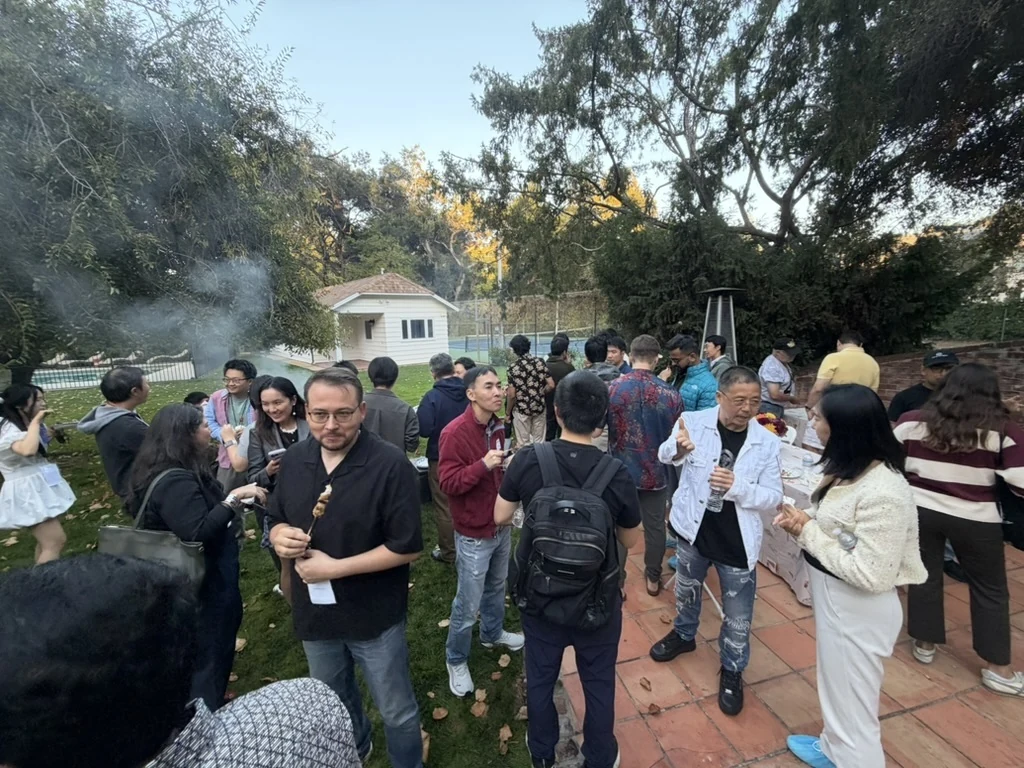
The event concluded with a barbecue where professionals and SVYEP volunteers could connect in a more informal setting. Sharing a meal created opportunities for introductions and conversations, bringing students into contact with people working in technology, research, and entrepreneurship.
For SVYEP volunteers, the afternoon combined community service with opportunities to build professional connections. After helping prepare the event and welcome attendees, students could participate in the social gathering they had helped make possible. The experience demonstrated how volunteering can give young people both practical responsibilities and access to a broader community as they explore their own interests and future paths.