Robert Parker: The Innovation Mindset Behind the Technologies We Use Every Day By Bretton Lam and Isabella Liang
By Bretton Lam and Isabella Liang
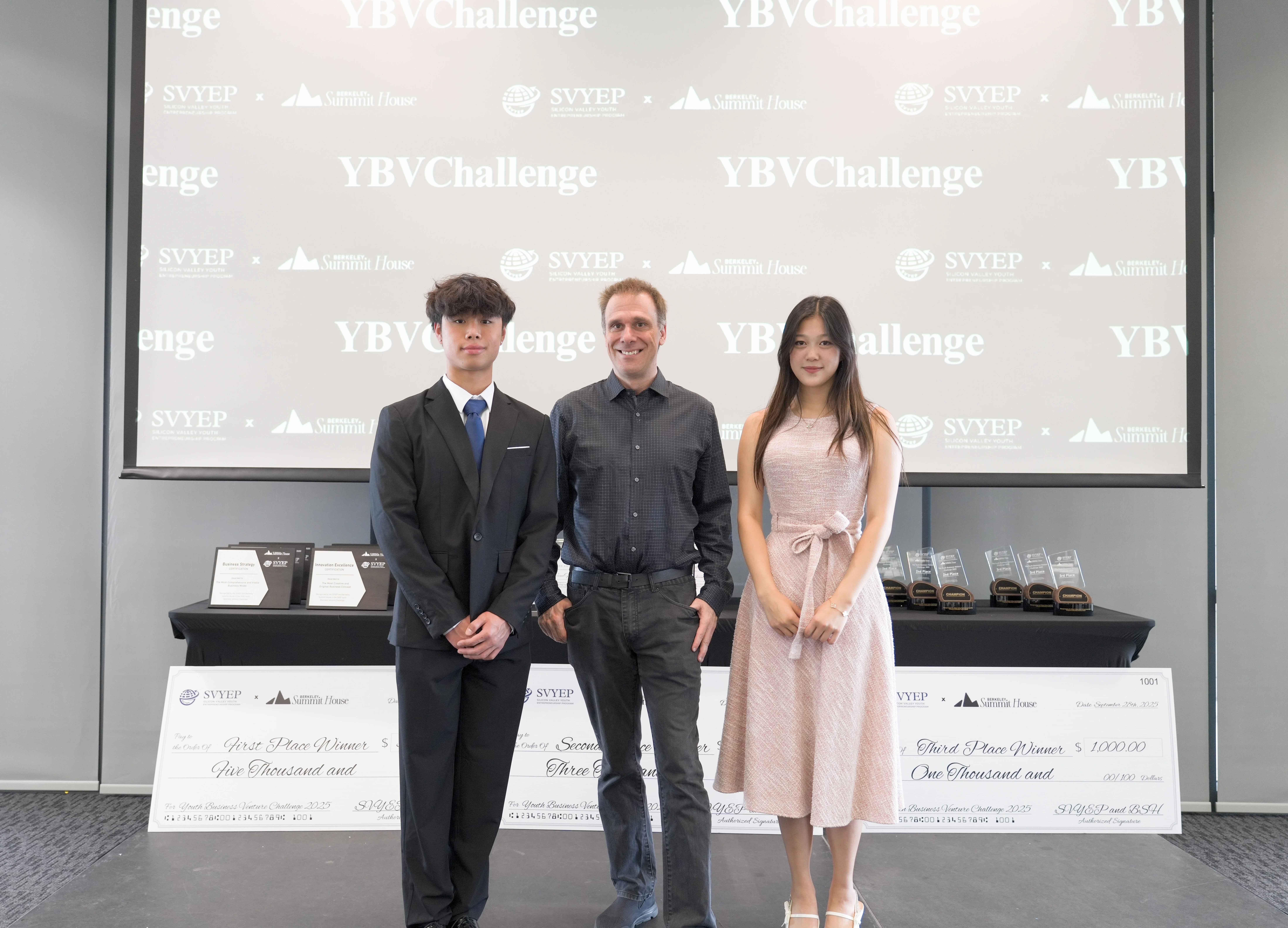
Robert Parker has spent more than two decades working on technologies that millions of people use every day without thinking about where they came from. His work has shaped PowerPoint at Microsoft, Alexa at Amazon and SmartThings at Samsung. These products feel so familiar now that it is easy to forget they were once ideas on a whiteboard. For Parker, innovation was never about guessing the future. It was about paying attention to the present and noticing what most people overlook.
“You have a lot of power by just watching how people use technology,” he told us. That idea sits at the center of his approach. In Parker’s view, technology is not shaped by bold predictions but by observing real users and letting their behavior show the path forward.
Parker’s early career began on the PowerPoint team at Microsoft. At the time, PowerPoint was still built for printing slides rather than creating live presentations. Even the prompts like “Click here to add text” were designed because the team assumed users would forget how to use the software between each session. Everything changed when Parker began to sit down and actually watch people using the product.
“One of the things that was really amazing and wondrous to see for me is, we put a bunch of people in front of the computer and watched what they would do,” Parker said. “People were using it in ways I never expected. They imagined things I never expected.” Instead of preparing slides for print, users were in meeting rooms, collaborating and building presentations in real time. That observation shifted Parker’s mindset. Innovation was not about imagining what people should do. It was about understanding what they already were doing.
As Parker moved into larger leadership roles, the scale of his work changed dramatically. Early on, he worked in teams of only a few people. Later, he led teams of hundreds and even thousands. “When I was starting my career, you would have a team of like three to five people,” he said. “Now you might have 500 or 1,000 or 2,000 people all contributing to just one product.” With so many contributors, alignment became one of the most important parts of his job. He realized that vision is not something you say once. It is something you repeat until everyone can articulate it clearly on their own. “What is really critical is how you reiterate your vision, and you are always saying it again and again,” he said. “Because what you really want to do is keep people together.”
Working on Alexa helped him understand how complex user expectations can be. Even simple requests, like asking for “soft jazz,” could mean different things depending on the person. The team had to study not just the words but the intent behind them. With the rise of modern AI, Parker believes this focus on alignment matters even more. “The productivity of one person is now multiplied in all these ways,” he said. “So if someone is a little bit off, it can be a challenge for everybody else.”
After years in consumer tech, Parker found himself increasingly drawn to what he calls “quiet problems.” These are the invisible systems that power the world, such as building energy flows, HVAC efficiency and logistics. They are rarely discussed, but they matter immensely. In 2019, he founded BrightAI to focus on these foundational issues. He believes that some of the most meaningful innovation happens behind the scenes. “The most impactful technologies aren’t always the most glamorous,” he said. “But they change the world when you look closely.”
His newest company, Perceptix.AI, builds on that belief. Parker is focused on creating systems that do more than automate tasks. He wants technology that understands context and helps people make smarter decisions in fields like healthcare, city planning and industrial design. These are areas where small choices can create large ripple effects, which is why Parker believes AI must be designed to support human judgment rather than replace it.
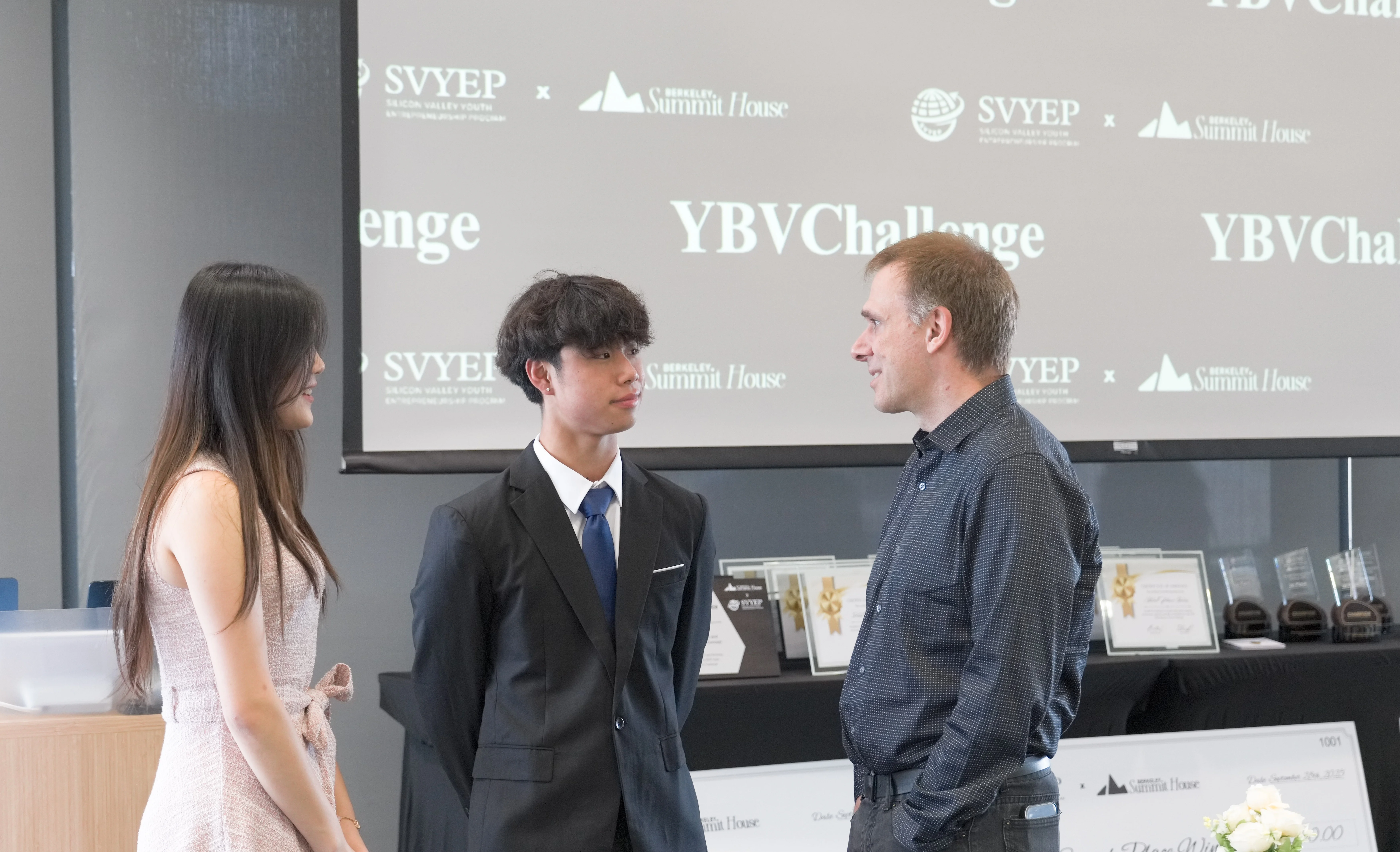
Despite his long career, Parker believes the next era of innovation will not be led by the most experienced people. He believes it will be led by the youngest.
- “There was this idea that the more experience you have, the more likely you are to drive the future,” he said. “I think the opposite is true. AI reduces the value of experience. Young people will lead.”
Students today grow up immersed in the technologies older generations are still learning to understand. That closeness gives them a natural advantage. Tools evolve faster than institutions, and young people adapt faster than anyone.
For students and early builders, Parker offers a message that is simple and direct:
- “One of the worst pieces of advice is when someone tells you that you can’t do something,” he said. “There’s no wrong way to solve a problem. If you see something worth building, build it.”
His own career was shaped by curiosity, close observation and the courage to act before he had everything figured out. He believes students have far more power than they realize, especially in a world where information is always within reach.
“You have more knowledge at your fingertips than you think,” he told us. “The only thing left to do is start.”