From Startup to Leader: The Rise of AnswerAI, with Leo Zhang By Jeremy Peng
By Jeremy Peng
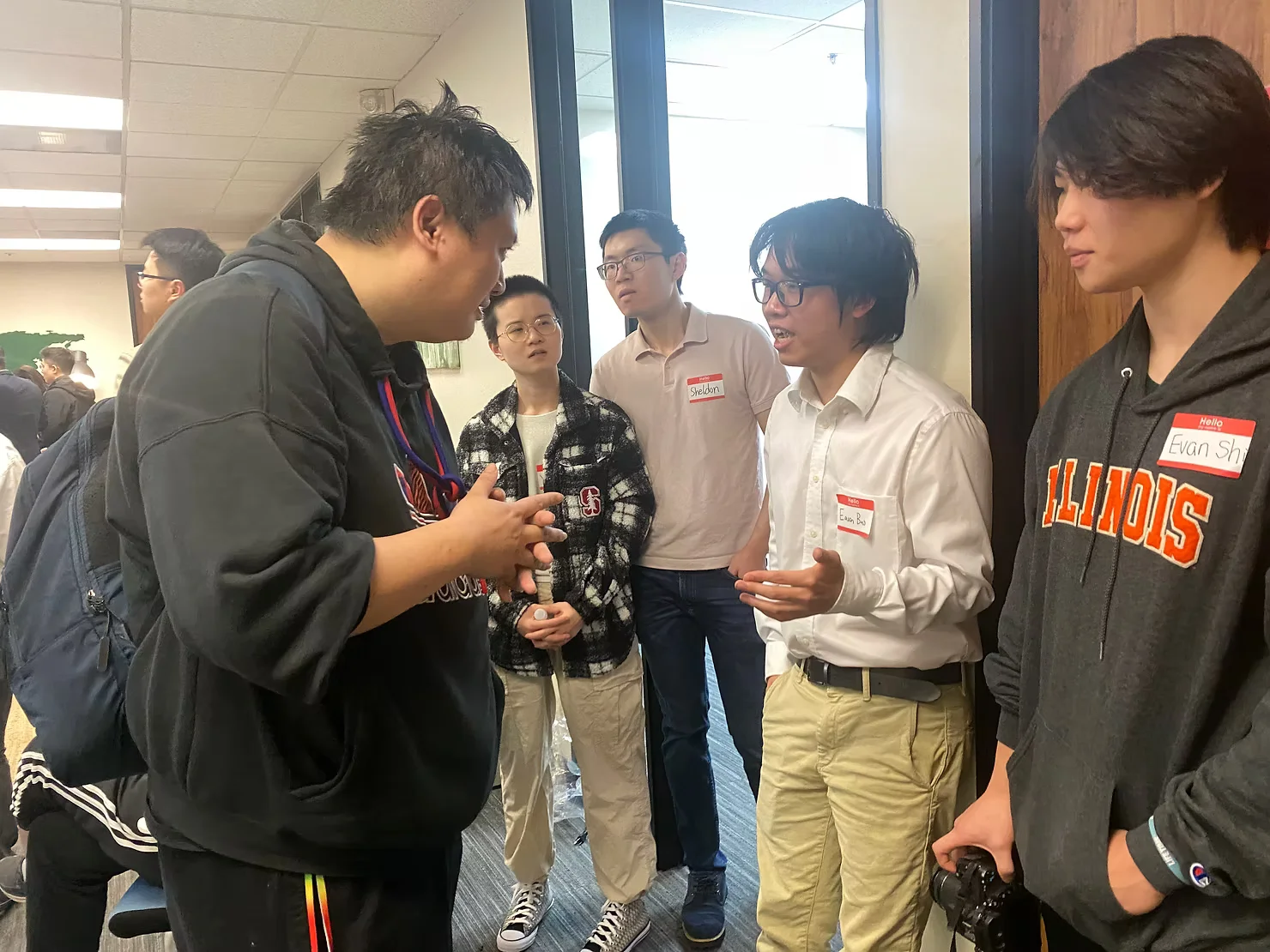
“We truly sensed that AI would change education—as soon as OpenAI launched ChatGPT, we started work on our own company. With our vision, we launched our product just a month after.”
In the beginning, AnswerAI wasn’t the company we know today. Headed by Zhou (Ric) Li and Leo Zhang, it had originally been developing a social media app called Livein back in 2022. However, when OpenAI’s ChatGPT launched in December 2022, blowing everyone away with its human-like capabilities, Ric and Leo set out to reinvent their business on the surge of AI.
“Most of us saw ChatGPT launch, but we didn’t see a lot of companies fully trusting it,” Leo said. Ric and Leo were part of the group who saw the potential of AI. Instantly pivoting development, they decided to focus on building AI for education in a project called AnswerAI. If it worked, they knew it could be at the vanguard of this new AI revolution.
Later, while speaking at a business conference, Mr. Li explained why he chose to enter the education field: “Not everyone in America can get access to high quality education. Especially in the Midwest, there are so many students who wish to learn but don’t have the resources or guidance needed. Our company can fill that hole by providing students with access to an AI that doesn’t just give them answers, but can also help them learn.” AnswerAI profits by requiring subscriptions after students exhaust their daily free uses.
Though Leo doesn’t believe AnswerAI will replace teachers or tutors, he emphasized the advantages of AI learning compared to traditional classrooms. “There are people who are ashamed to ask questions in a classroom. However, it’s okay for them to ask an AI. […] When you talk to a robot, you won’t be judged. You won’t feel pressured, and you’ll also know that the AI will be gentle and patient.”
But Ric and Leo weren’t the only ones with this idea. They were fully aware of their competition in Silicon Valley. AnswerAI was a small startup compared to giants like Google, which had spent over a decade researching AI. Still, they navigated these obstacles and outpaced competitors through speed, efficiency, and a clear vision.
“The key is speed,” Leo said. “In big companies, you have to attend a lot of meetings. You have to report again and again to your boss. But in a startup, you can do it all very fast. You go launch, you test it, and if there’s any issues, you repeat. That’s the advantage of being a small company.”
Through this philosophy, AnswerAI became a leader in AI education. Launching just one month after ChatGPT, the platform quickly gained popularity. Their LinkedIn reports over 1.5 million users, and the app now ranks seventh in the App Store’s Education category—above Google Classroom, Quizlet, and Brainly. AnswerAI supports students in subjects ranging from math to geography to business.
To Leo, however, AnswerAI is more than a company. Artificial intelligence was envisioned as a tool for humanity—a tool that enhances creativity, emotions, passion, and the natural desire to learn.
“The users do more than just get an answer to their question and leave,” Leo said. “They are trying to get more answers, explanations, and they want to know how to get the answers and how to get the steps. […][AnswerAI] helps you find out why you should learn something, not just push you to get a final answer.” In their eyes, this is a success far beyond revenue.